Best Food Vacuum Sealers of 2026 What to Look For?
The Food Vacuum Sealer industry has been evolving rapidly, with the market projected to reach $400 million by 2026. This growth is largely driven by rising consumer interest in food preservation and reducing waste. According to industry expert Dr. Jane Harper, "Investing in a quality food vacuum sealer can significantly extend the shelf life of your food."
As families seek smarter ways to store food, the right vacuum sealer becomes essential. Features such as suction strength, sealing width, and versatility can greatly influence user satisfaction. However, consumers often overlook aspects such as durability and ease of use. A high-priced model may not always equate to better performance.
Many fail to realize that, despite advancements, some sealers struggle with consistent heat distribution. This inconsistency can lead to poor sealing, impacting food freshness. Thus, when choosing a vacuum sealer, careful consideration of personal needs and preferences is crucial. A few thoughtful questions can guide the decision-making process, ensuring you make a worthy investment in food preservation.
What is a Food Vacuum Sealer and How Does It Work?
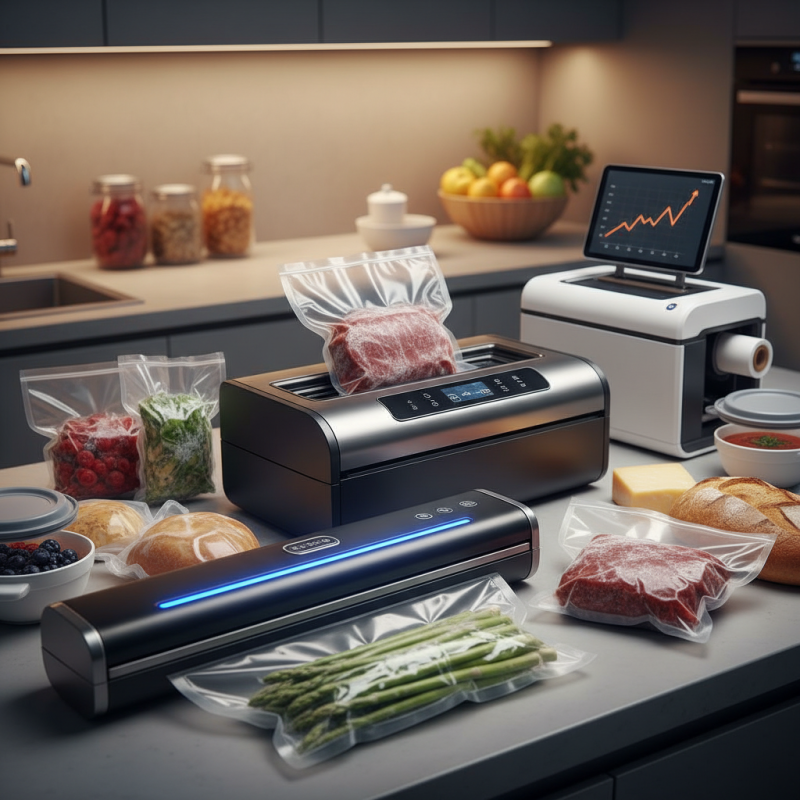
A food vacuum sealer is a kitchen device that removes air from a bag containing food. This process preserves the food for a longer time. By eliminating air, it helps prevent spoilage and freezer burn. It works through a simple mechanism. The sealer creates a vacuum, then seals the bag tightly. This protects the food inside.
Using a food vacuum sealer can be quite helpful. You can store homemade meals, fruits, or meats effectively. The sealed bags stack nicely in the freezer. However, not all food types are suitable for vacuum sealing. Liquids can spill and ruin the process. It's essential to be cautious with the items you choose to seal.
Many users find learning how to operate the device challenging at first. Sometimes, the bags may not seal perfectly. These mistakes offer valuable lessons. Experimenting with different settings might lead to better outcomes. Observing how your food fares after sealing can provide insights for future attempts. Vacuum sealing is an art, and practice always makes things better.
Key Features to Consider When Selecting a Food Vacuum Sealer
When selecting a food vacuum sealer, focus on a few key features. The type of sealing is essential. Look for options that offer both dry and moist settings. This flexibility helps seal a variety of foods effectively. The power of the vacuum motor is also crucial. Strong motors can remove air quickly, ensuring a tighter seal.
Tips: Pay attention to the vacuum speed. Faster sealers save time but might compromise quality. Consider how often you will use the device. Some people find it hard to justify the cost if they only vacuum seal occasionally.
Another vital aspect is the ease of use. A user-friendly interface makes the sealing process smoother. Look for models with clear indicators and simple buttons. This can reduce frustration, especially for beginners. Also, examine the design. Compact designs are easier to store, but larger models may offer better functionality.
Tips: Always check the warranty. A good warranty can save money in case of defects. Don’t forget to read user reviews. They often highlight real issues that may not be visible in product descriptions.
Best Food Vacuum Sealers of 2026 - Performance Comparison
Types of Food Vacuum Sealers: Benefits and Drawbacks
When choosing a food vacuum sealer, it’s essential to understand the types available. There are two main categories: external and chamber vacuum sealers.
External sealers are user-friendly. They are portable and great for everyday meals. However, they may not work well with liquids. Spillage can damage the machine. Chamber sealers target volume and efficiency. They handle liquids better but are often bulkier and pricier. Not everyone needs those extra features.
Here are some tips when selecting a vacuum sealer. Consider your kitchen space. Is it limited? An external model might be a better fit. Think about your cooking habits too. Do you marinate foods? Look for sealers with marinating capabilities. Sometimes, a simple choice is just enough. It’s okay to skip advanced features if you don't need them. Always reflect on what you really use.
Top Brands of Food Vacuum Sealers in 2026: A Comparative Overview
When choosing a food vacuum sealer, several leading brands dominate the market. In 2026, a report by the Appliance Manufacturers Association indicated that vacuum sealers have seen a 30% increase in consumer interest. This growth is due to heightened awareness of food preservation's impact on sustainability and cost savings. Top brands differentiate themselves through various features, such as suction power, bag compatibility, and user-friendly designs.
Another study by the Food Packaging Association revealed that models with advanced sealing technology can keep food fresh up to five times longer than traditional methods. These sealers play a crucial role in reducing food waste, a global issue affecting 1.3 billion tons annually. However, while evaluating options, consumers sometimes overlook product longevity. Some models may perform well initially but fail after limited use, prompting buyers to reassess their choices.
Additionally, many vacuum sealers come with a learning curve. Users often report frustration with improper sealing or maintenance challenges. A well-designed user manual can mitigate this, but not all brands prioritize clear instructions. As consumers strive for efficiency and effectiveness, the key lies in balancing features, ease of use, and durability to make an informed choice in 2026.
Maintaining and Caring for Your Food Vacuum Sealer for Longevity
Maintaining your food vacuum sealer ensures it lasts a long time. Regular cleaning is crucial. After each use, wipe down the exterior. Crumbs and spills can decrease performance. It's also wise to check the sealing area. Any residue can hinder the seal's effectiveness. A clean machine works better.
Storage plays a vital role in longevity. Store your vacuum sealer in a dry, cool place. Excess humidity can cause rust and damage. Consider wrapping it in a cloth to prevent dust accumulation. It is small steps that create big changes over time.
Occasional maintenance checks are also important. Inspect the power cord for wear and tear. Replace any damaged parts immediately. Keeping an eye on these details can save you from larger headaches later. Sometimes, we forget these basics. Yet, they are key to a well-functioning machine.